


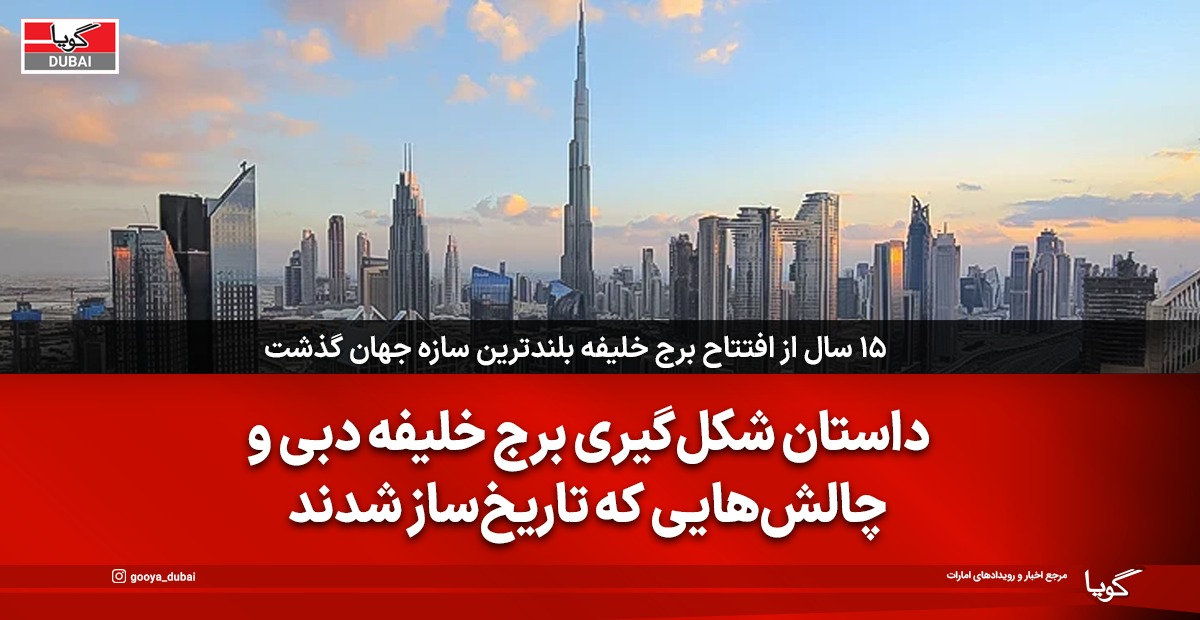
Burj Khalifa: From Bold Dream to Global Icon of Dubai
When Burj Khalifa officially opened to the world on January 4, 2010, it was not only the tallest building on Earth but also a bold declaration of human ambition. This architectural marvel, which celebrates its fifteenth anniversary today, has become a symbol of Dubai's remarkable transformation from a desert port to a global metropolis. Bill Baker, the chief structural engineer of the Burj Khalifa project, states that their goal was not just to build the tallest tower in the world but to create an efficient, sustainable, and environmentally friendly building.
The design journey of Burj Khalifa began in 2003 when Emaar Properties, led by Mohamed Alabbar, approached SOM with a bold vision. Baker explains that the initial design height was 518 meters, but it ultimately reached 828 meters. This height increase was a result of design modifications to manage wind forces, allowing them to make the tower taller while reducing wind loads and costs. The Y-shaped design of Burj Khalifa with three wings acts like a Gothic cathedral, resisting wind forces.
One of the critical challenges in constructing Burj Khalifa was managing the wind's impact on the structure. Baker explains that the team minimized these effects through wind tunnel testing and tower deformation, creating a much calmer building compared to similarly sized towers. Additionally, Burj Khalifa was designed years before the concept of sustainability became mainstream, featuring elements like freshwater harvesting from the air conditioning system, producing the equivalent of 20 Olympic-sized swimming pools of freshwater annually. The foundations of Burj Khalifa rest on 194 concrete piles, each 45 meters deep, and despite its massive weight, it has only settled by 50 millimeters.
Baker believes that the success of Burj Khalifa is the result of flawless collaboration between Emaar, SOM, and the global team of contractors. He mentions a phenomenon called the "tower effect," which has significantly increased the value of surrounding properties, transforming Burj Khalifa from just a building into a cultural symbol on par with the Eiffel Tower. Fifteen years later, Burj Khalifa stands proudly not only as an engineering achievement but also as a symbol of what humanity can achieve with grand dreams.
Source: Gulf Times
Comments
At least 3 characters. Shown after a moderator approves it.
No comments yet
