

Artificial Intelligence Designs Live Virus for the First Time
Technology

Artificial Intelligence Designs Live Virus for the First Time

Gooya Dubai 1 min read 383 views

For the first time, scientists have succeeded in designing new and viable viruses using artificial intelligence; a breakthrough that could have significant applications in medicine and gene therapy in the future, but has also raised concerns about the potential risks of this technology.

In this research published in the scientific journal Science, researchers from Stanford University and Arc Institute used an artificial intelligence model called "Evo." Unlike language-based AIs that learn from text, this model was trained on approximately 9 trillion DNA building blocks to learn genetic patterns.

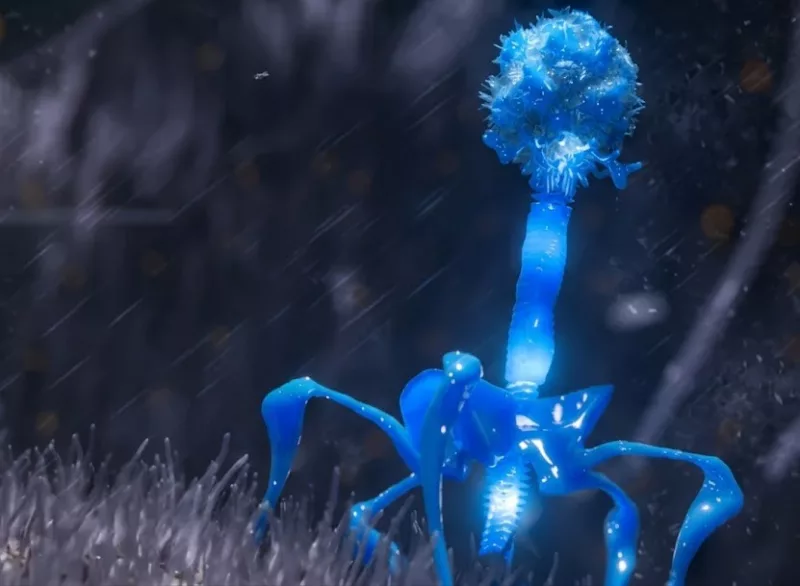
The researchers asked Evo to design new genomes for a type of virus called Phi X-174. This virus is a type of "bacteriophage"; meaning it does not infect humans and targets bacteria such as E. coli.

The AI produced about 700,000 potential genomes, from which the researchers selected 285 for testing. Ultimately, 16 samples were transformed into viable viruses that could infect and replicate in bacteria. Some of them even replicated faster than the natural virus sample.

The significance of this achievement is not limited to the creation of a new virus. Currently, some viruses are used in gene therapy as a means to deliver healthy genes to diseased cells. Researchers hope that in the future, AI can be used to design viruses for such tasks more effectively or safely.

However, this technology has also raised biosafety concerns. Experts have warned that more powerful generations of these models may have the potential for misuse in designing dangerous pathogens in the future, and current regulations have not yet kept pace with the rapid advancements of this technology.

To mitigate this risk, researchers excluded viruses that infect humans, animals, plants, or fungi from the experiment and limited their research to viruses that infect bacteria.

This research actually shows that AI has gone beyond the stage of "reading and analyzing DNA" and can now design new genetic sequences that have biological activity in the real world.

0

نظرات

حداقل ۳ کاراکتر؛ پس از تأیید مدیر نمایش داده می‌شود.

هنوز نظری ثبت نشده است